
Education Outreach
 see.isbscience.org/uncategorized/education-outreach/
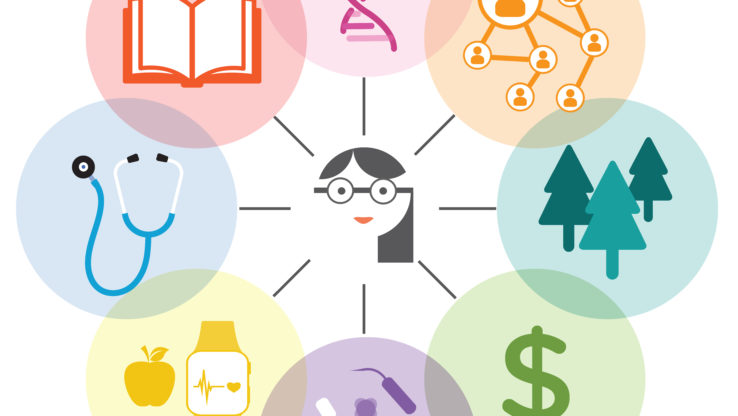
 Recent advances in experimental practice, technology development, accompanying computational techniques and systems thinking have advanced biological inquiry. However, the practice of today´s biology does not resemble how biology is taught in today´s high schools. As a potential solution to this mismatch, the Baliga Laboratory at the Institute for Systems Biology is using today’s STEM (science, technology, engineering, and math) practices to launch classroom activities that promote conceptual development of standards based instructional outcomes. Students are engaged by the forefronts of STEM learning, systems thinking and computation available in these materials.
The Baliga Lab has collaboratively resourced the materials development and professional development efforts. The collaboration includes practicing scientists, engineers, educators, students, evaluators and granting organizations. Systems Biology techniques are modeled as an interdisciplinary group works together to solve a common and complex problem – increasing science literacy and workplace readiness.
The modules produced through this collaborative effort result from translation of the leading research completed within the Baliga Lab and are based on best education practices. These classroom experiences are designed to include all types of learners and school systems. The materials have been proven to work both with tightly and loosely controlled teaching – which has been found to be important for education systems on the journey in improved teaching, whether it be from poor to fair or from good to great1.
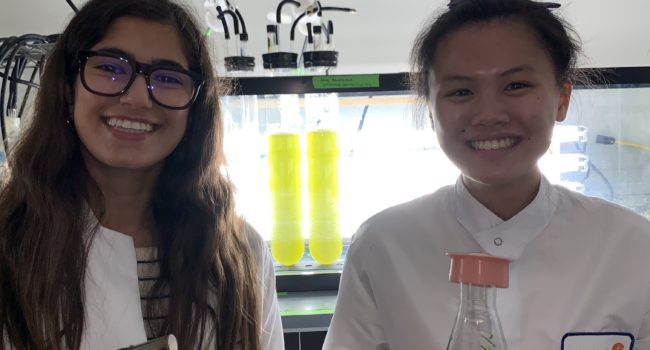
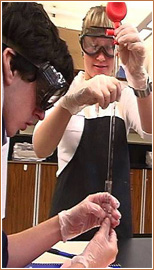
One of two very important pieces of the Baliga Lab´s educational work is a high school internship program. Each summer, high school students join the research group to gain critical laboratory experience and to help optimize module experiments for other students throughout the nation. The other important component to this work is that it is easily adaptable to fit the available resources, time frame, and needs of students and teachers. For example, the modules have been used for summer courses, such as the Dynamic DNA course offered in collaboration with WA Network for Innovative Careers and Northwest Association for Biomedical Research. For more on how others are creatively using our modules, please see our Module Adaptation Page.
1 McKinsey & Company, How the World’s Most Improved School Systems Keep Getting Better, 2010.