HS-LS4.C Adaptation
 see.isbscience.org/ngss/ls4-c-adaptation/
|
source: http://www.nextgenscience.org/
 see.isbscience.org/ngss/ls4-c-adaptation/
|
source: http://www.nextgenscience.org/
In this module, students focus on the role of physics and engineering in the increasingly interdisciplinary field of systems biology. Centered on a case study requiring instrumentation for field research, the driving question is “How do scientists measure what they cannot directly observe with their senses?”
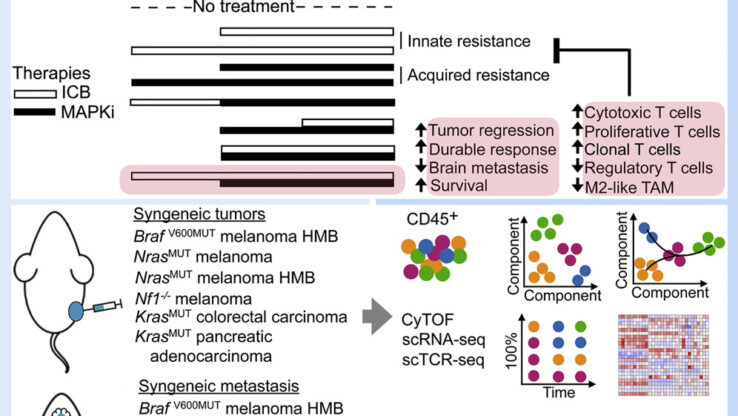
Interested in participating in immunotherapy research? Join the melanoma program at UCLA to learn about how we characterize tumor microenvironments in order to advance sequential therapy to combat cancer. You will participate in state-of-the-art immuno-oncology research and will contribute to learning modules so that others can better understand new therapies. This paid internship will provide you with many new wet bench and professional skills! Image from Wang, et al 2021,…
Join our Team as an AmeriCorps Member! This 10.5 month position is easy to apply for and can be your first step in making a positive impact by working with high school students, teachers, and STEM professionals to usher in the future of health. Medicine is shifting from a reactive disease-care system to a proactive Systems Medicine discipline that holistically optimizes wellness and minimizes disease. ISB is preparing students for…
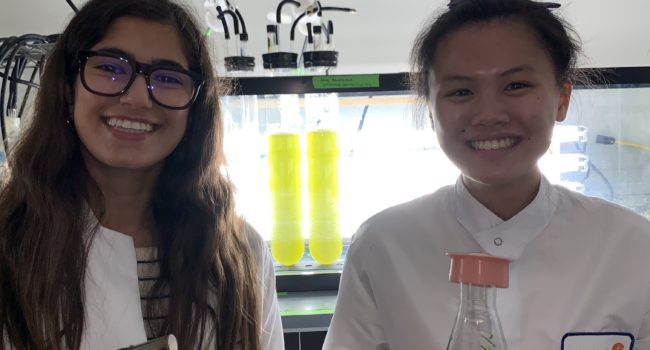
Consider joining us for a paid summer position! These in-person, summer research and curriculum development positions are easy to apply for and can reinvigorate you for the years ahead. Position Overview Institute for Systems Biology (ISB) is currently hiring teachers to work full-time or part-time for 2 to 7 weeks during the summer of 2022 for anywhere between 80-280 total hours. Since 2004, the Baliga Lab has partnered teachers with…